For Collector Irene Panagopoulos, Art Is a Search for Belonging
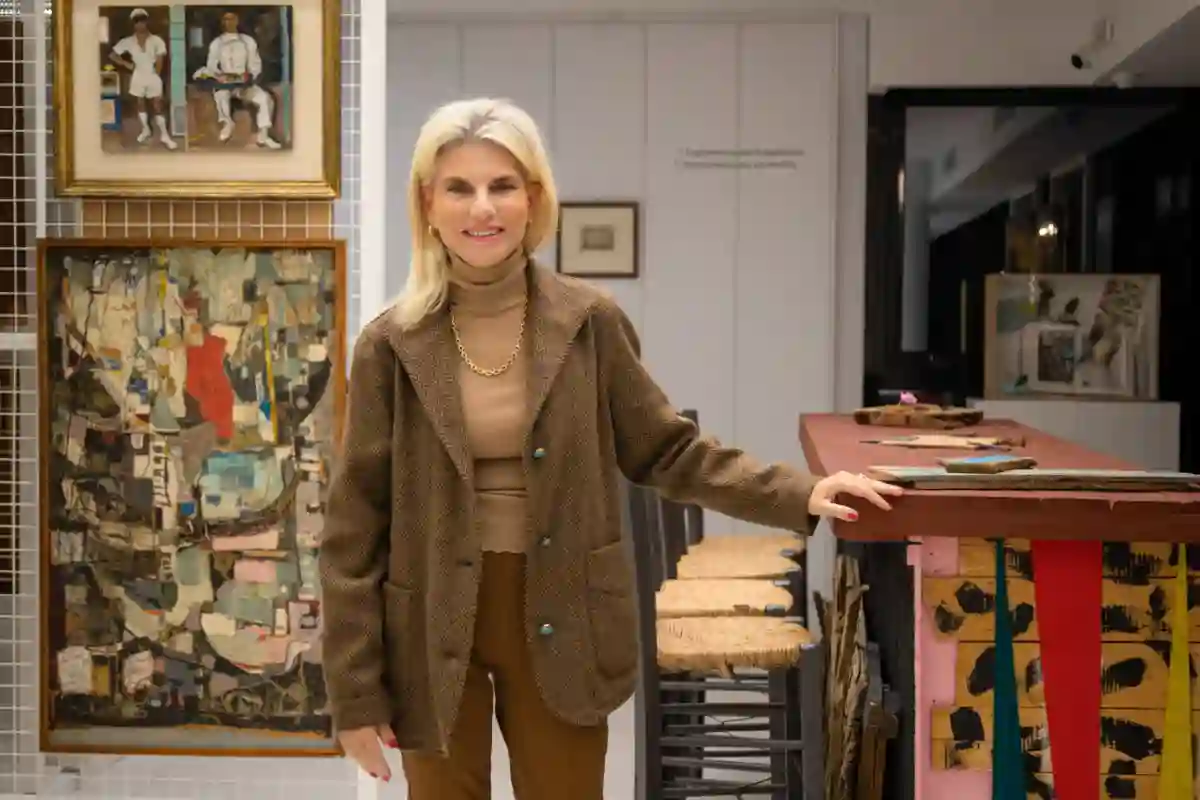
Irene Y. Panagopoulos’s collecting journey began with a handful of paintings given to her by her father. Today, her collection has grown beyond the walls of her home. “I think my life overflows. I have more art than I can put on all the walls in my house. Collectors always have more than fits anywhere. This is what defines a collector,” she said.
Collecting for Panagopoulos is a journey that probes questions of identity, belonging, and the world around her. Shaped by her Greek heritage and an interest in how artists navigate cultural and geographic boundaries, her collection reflects both personal experience and wider social concerns.
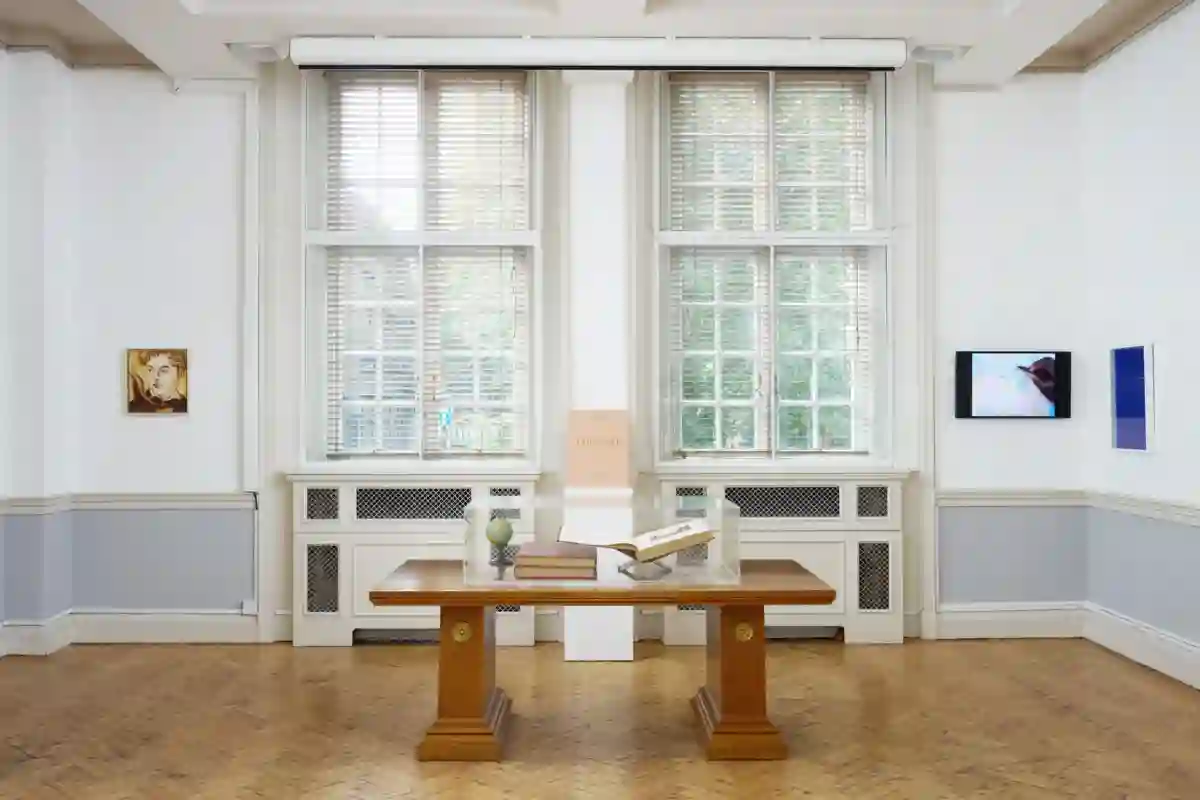
Now, as she presents works from the collection outside Greece for the first time, she is inviting a new audience into that conversation. The London-born, Greece-based collector is bringing a selection of those works to the Hellenic Centre, marking the collection’s first exhibition outside Greece.
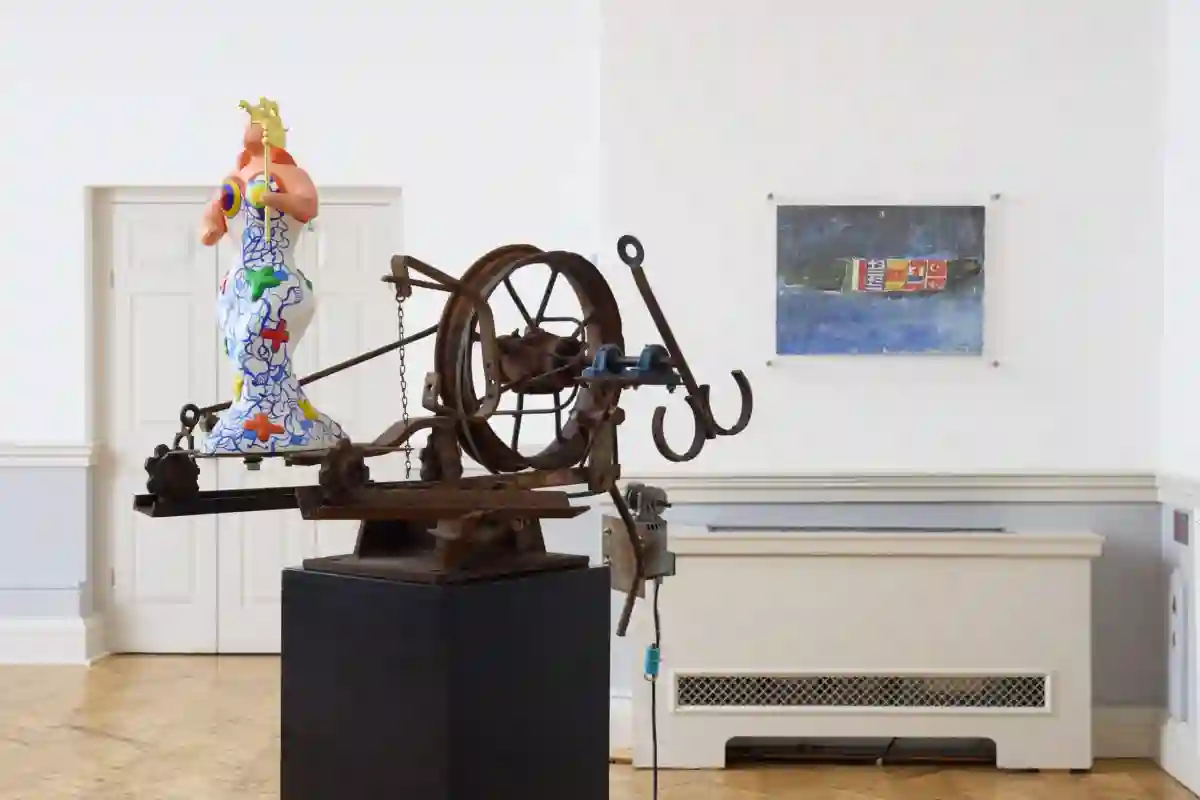
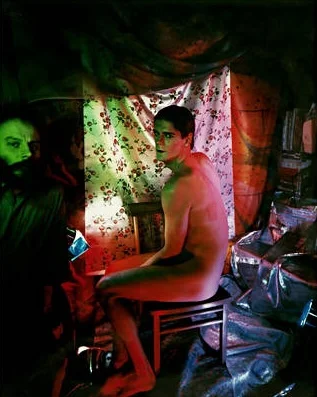
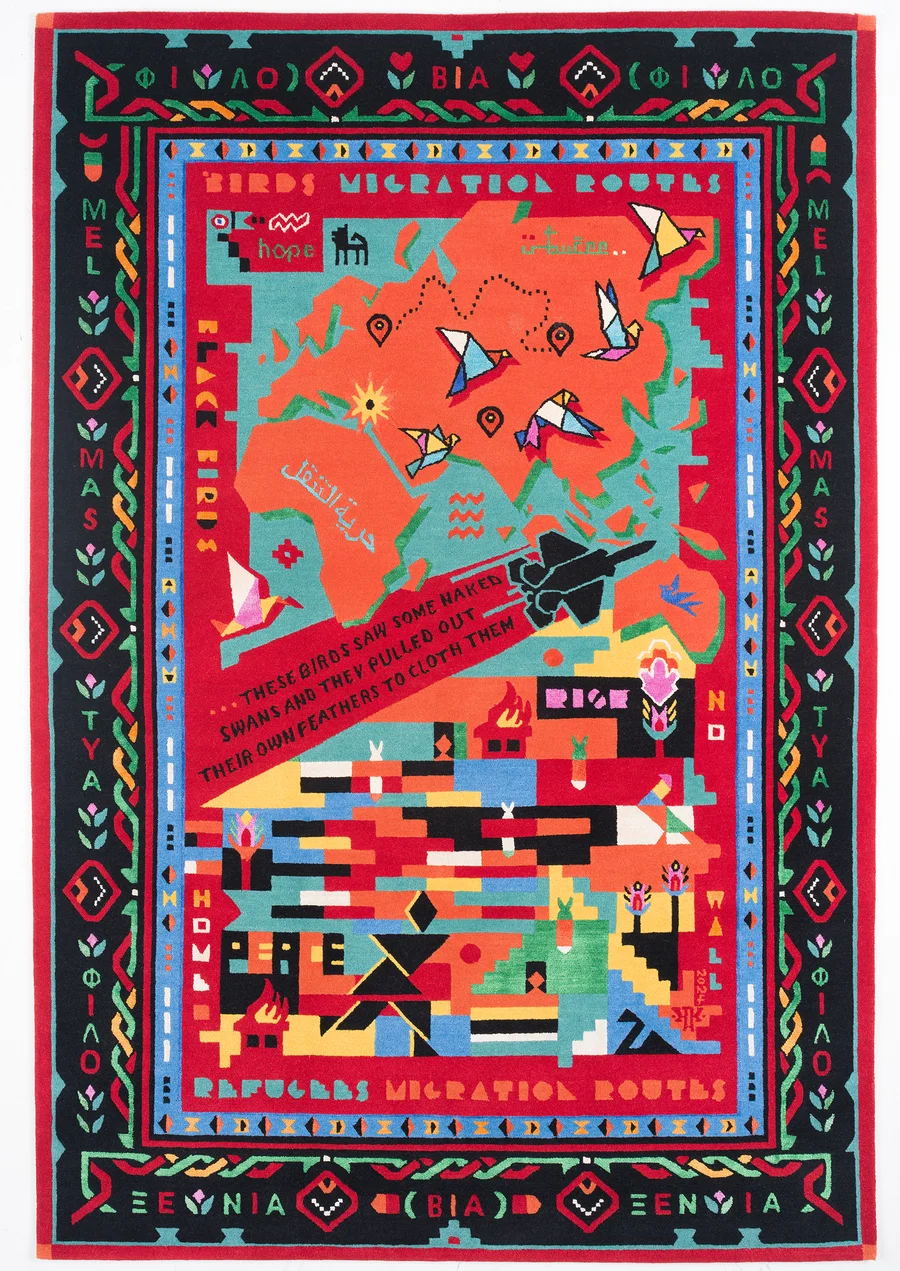
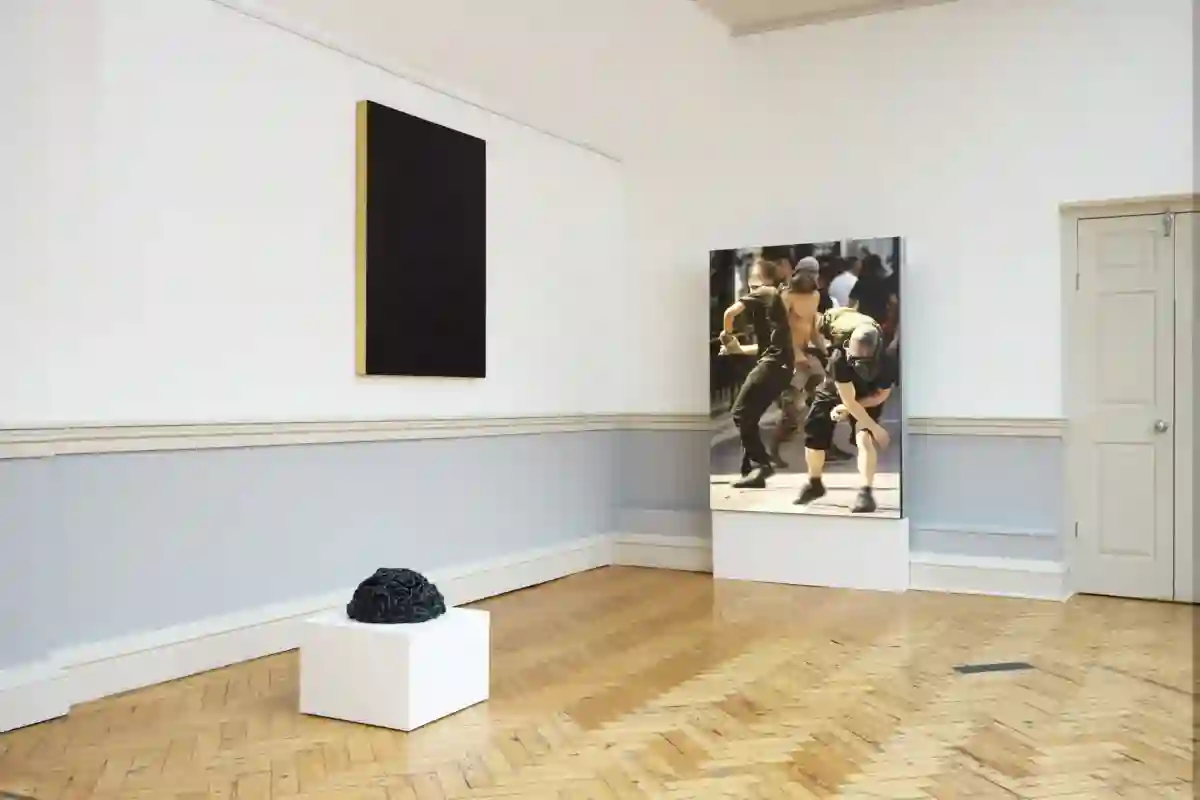
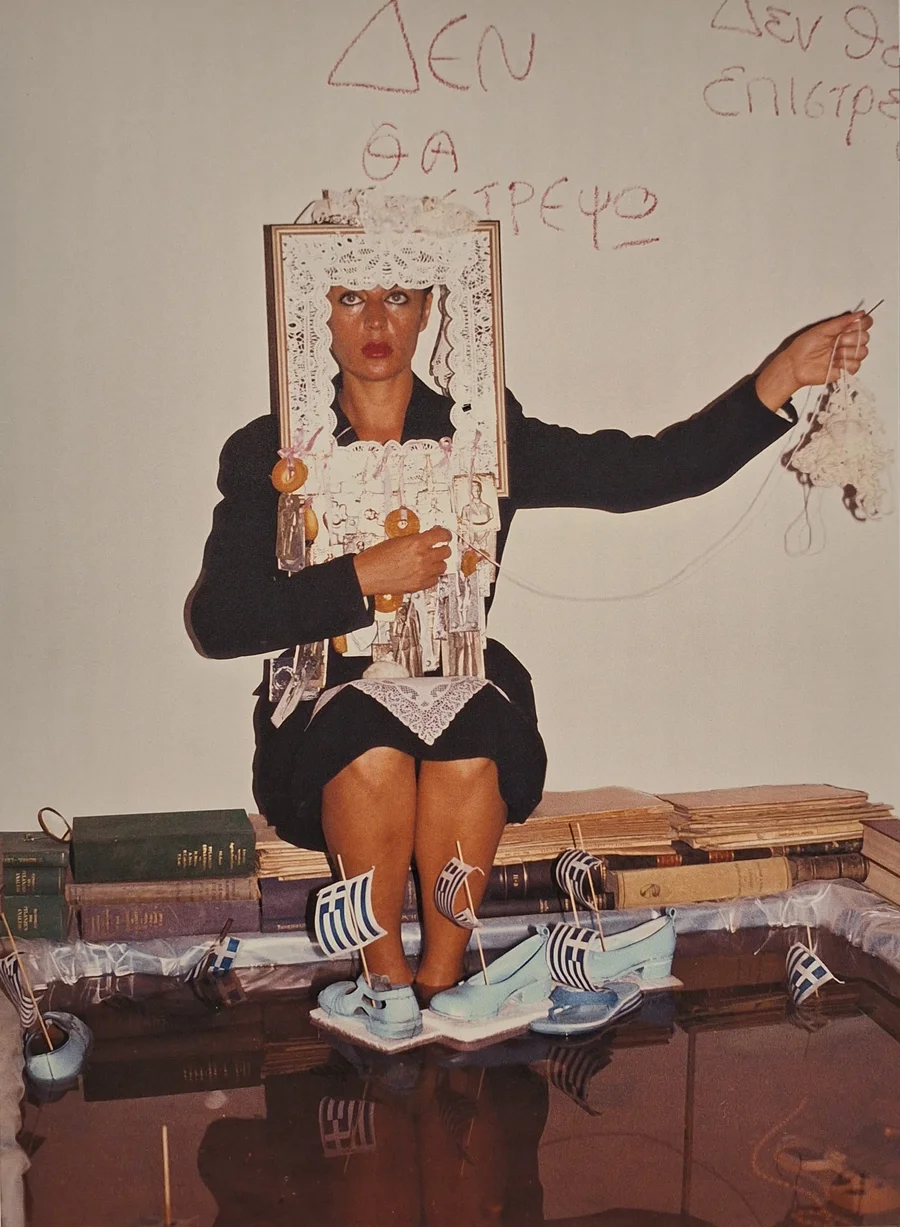
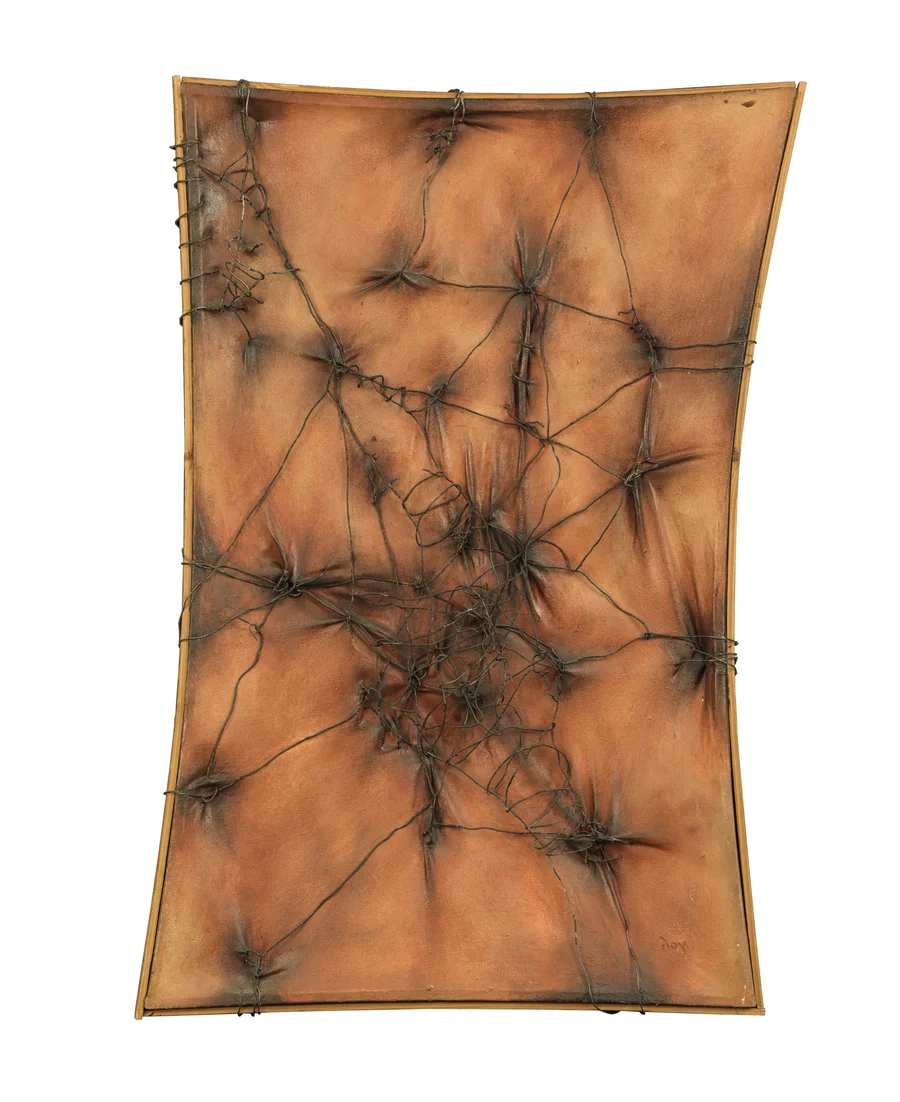
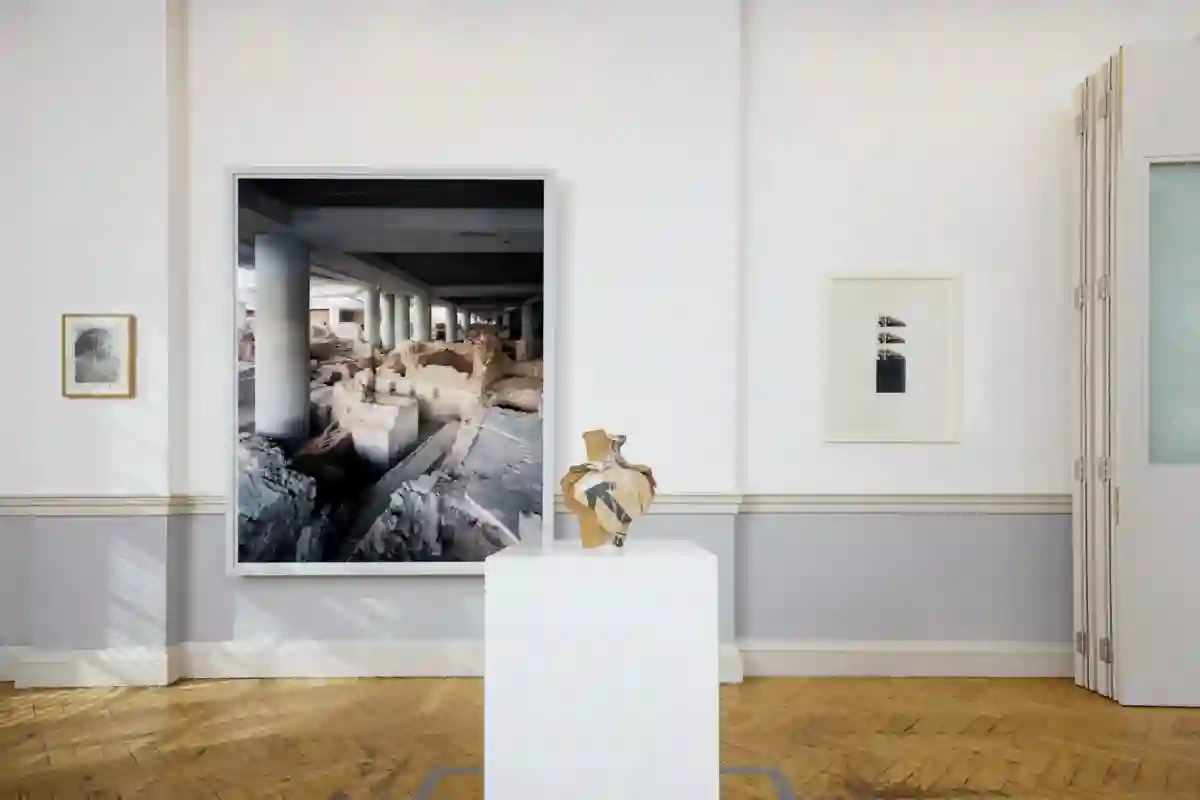
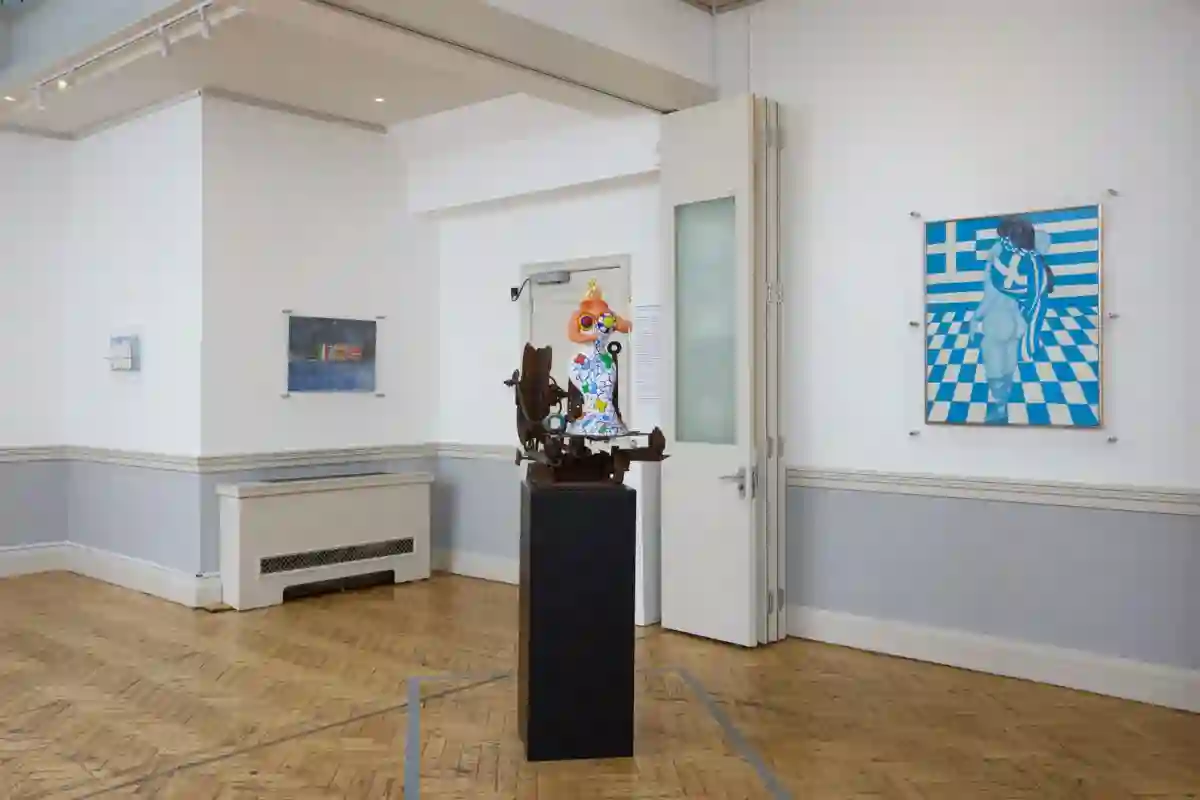
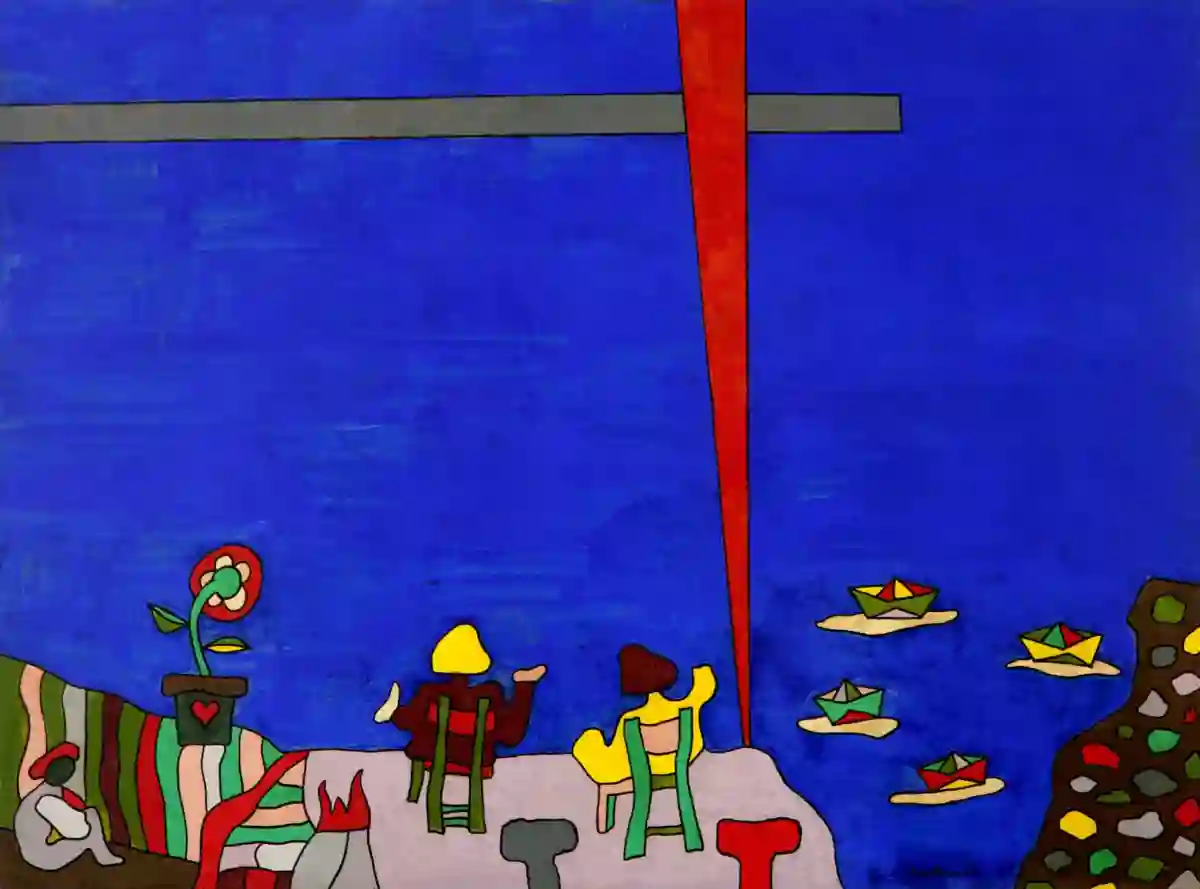
Titled “Revisiting: Fernweh, or Nostalgia for Unknown Lands,” the exhibition brings together 17 works spanning the 18th century to the present. Curated by Katerina Hadji, it explores how Greece has been imagined and reimagined through travel, memory, and displacement. Artists in the show include Kader Attia, Vlassis Caniaris, Marc Chagall, Claire Fontaine, Elizabeth Peyton, Sean Scully, and Niki de Saint Phalle.
For Panagopoulos, who was born in London to a Greek father and Italian mother, the presentation also marks a personal return to her birthplace. “The exhibition will be a miniature of our collection. It is a concentrated megadose of feelings,” she said.
Panagopoulos speaks fondly of the light in Greece. “There’s a certain brightness that is so good for the soul,” she said. London, for all her affection for it, feels dark by comparison.
But when asked whether that light influences her collecting, she pointed instead to the realities of living in Greece, including its economic difficulties: “If we live in the same place, we definitely have similar concerns.”
A collection shaped by identity
Her relationship with art began long before she became a collector. “I came from a home that was filled with original art and designer objects,” she said. She studied art, initially more interested in making it than acquiring it. “I didn’t come out as an art expert or an artist from my studies. I wasn’t planning on becoming a collector either, but I was always interested in art.”
Other responsibilities followed. “I was married; I made a family; I entered the family business,” she said. It was only after her children finished school that she returned to her earlier interests. “And that’s when I was able to go back into doing things that gave me pleasure, like visiting museums.”
The paintings inherited from her father became the starting point. “Initially, I wanted to complete the puzzle—return some of the missing parts and missing objects,” she recalled. But what began as an attempt to fill gaps soon expanded into something more. By visiting galleries, fairs, and museums, she encountered artists and works that opened up new directions. “I started discovering artists and more amazing works of art. That’s how I began acquiring.”
Among her earliest interests were Greek artists who had built careers abroad. “I wanted to put that story in my collection,” she said. She began with Lucas Samaras, drawn to his combination of “a lot of Pop influence” and “the narrative of his own birthplace.”
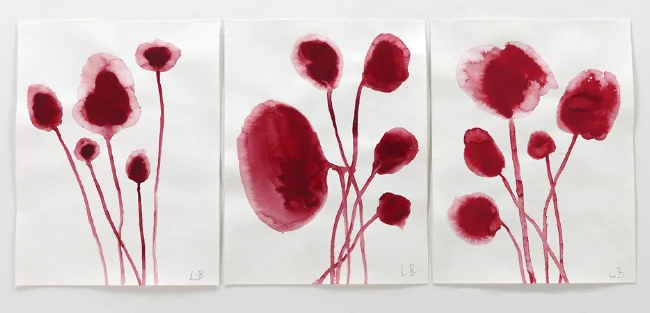
Lynda Benglis, whose work features in the London exhibition, had also impressed Panagopoulos as a student. “I admired her audacity at competing with all the male artists of her generation and making it.”
Learning of Benglis’s Greek heritage later prompted her to reconsider the artist’s work. She began to recognize echoes of ancient Greek columns and sculpted female figures, particularly in “how the fabric covers the female body.”
The connection brought together two of her enduring interests: “Another great combination for me, feminism and Greece.”
Collecting the questions that matter
Rather than collecting around a particular movement or medium, Panagopoulos is guided by the questions that occupy her. “I would say that I am collecting subject matters, issues,” she said. “I have questions and problems in my head that I’m looking for answers and solutions to. And I’m looking for those in the works of the artists.”
Those questions range from her evolving experience as a woman to the lives of women in neighboring countries. They also extend to conflict and coexistence: “how you resolve issues with other people within your family, within your neighborhood, within your country, with other countries, how you make peace.”
“These are all issues that float somewhere in my head, and [are] reflected in the works I collect,” she said.
For those beginning to collect, her advice is to look widely and ask questions. “You have to gain criteria,” she said. Her own acquisitions are ultimately guided by “my intuition and how I feel about certain works of art.”
She is also wary of the pressures of the market. “There is a lot of noise in the art world, and there’s a lot of pressure, too. Art fairs are like dungeons,” she said. Experience, however, offers a way through. “The more you see art, the more you gain experience, the more you can turn off the noise.”
From private collection to public conversation
Beyond collecting, Panagopoulos has long supported art institutions, particularly in London. “I chose my favorite institutions,” she said, naming London’s Tate and Delfina Foundation, “which I really love.” Her involvement predates her identity as a collector. “I supported venues and shows, then inevitably I became more involved by joining boards.”
The invitation to exhibit at the Hellenic Centre came after its curators visited the collection’s inaugural Athens exhibition. “It was a spontaneous decision,” she said.
Although the collection encompasses international artists, Greece remains a central point of reference. Fernweh, a German word expressing a longing for distant places, captures something of this outward-looking perspective. Panagopoulos hopes visitors will leave “feeling a bit more connected to Greece,” and with a deeper curiosity about its relationship to Europe and the wider world.
That desire to foster connections also shapes the collection’s permanent space in Athens, which opened in 2025. “We have a lot more visitors than we expected, which is amazing,” she said. “We have museum groups, we have individuals, we have artists, and then we also have the neighborhood that comes.”
Alongside the artworks, the space houses an archive and library, encouraging visitors to spend time with the collection on their own terms. “It’s a space that people can come and stay and lounge and take their time to look into the artworks.”
Panagopoulos is clear that she does not want to dictate how the works are understood. “I just collect; I don’t curate, and I don’t impose my vision onto others,” she said. “Some people are moved by certain things, some people have their own understanding.”
For her, opening the collection to the public has also expanded the meaning of ownership. “So everybody owns part of the collection the way they want to own it.”